For Young Black Men & Women
Understanding the unique mental health challenges, barriers, and culturally competent resources available to the Black community.
"I can do all things through Christ who strengthens me."
— Philippians 4:13 (NKJV)
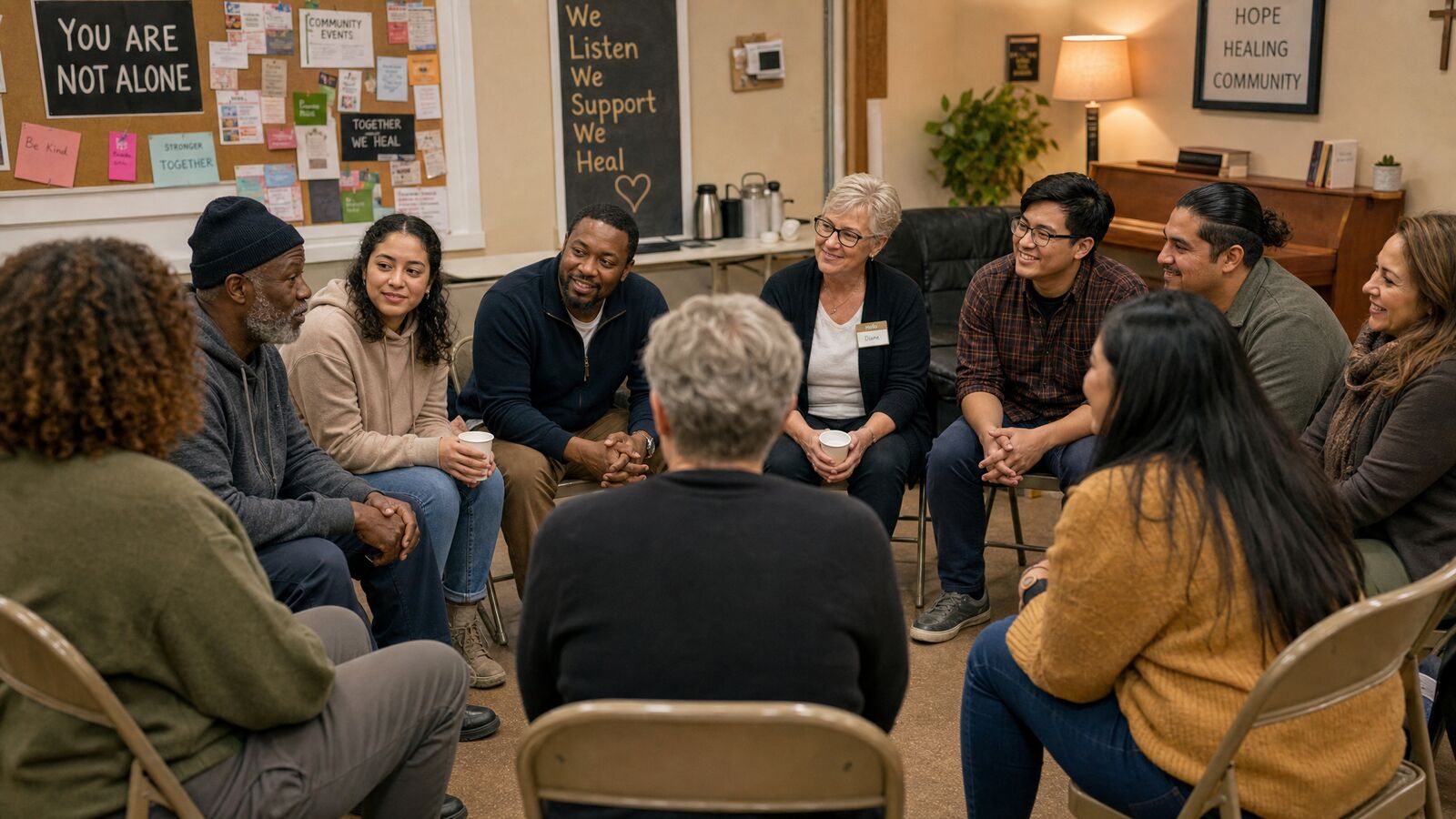
You Are Fearfully and Wonderfully Made
Your mental health matters. Seeking help is a sign of strength and wisdom, not weakness. You are worthy of care, compassion, and healing—created in the image of God with purpose and value.

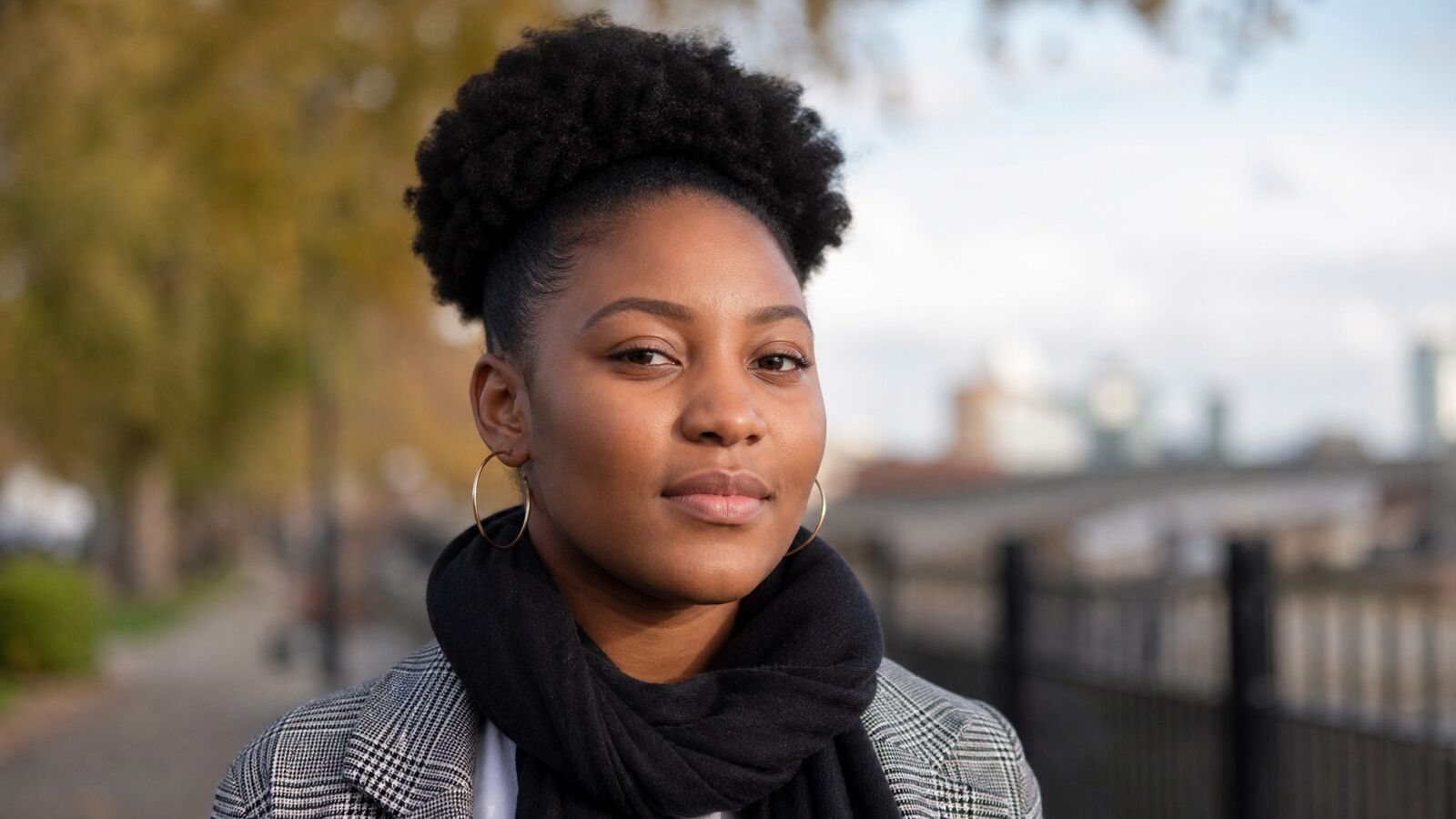
The Statistical Reality
36%
less likely for Black adults to receive mental health treatment than the overall population
2%
of U.S. psychologists are Black
144%
increase in suicide rates among Black adolescents (ages 10–17) between 2007 and 2020
~10%
of Black individuals lacked health insurance in 2024 (vs. 5.2% of non-Hispanic White individuals)
10.3%
of Black adults experience moderate to severe depression annually
18.6%
of Black adults report anxiety disorders
Barriers to Mental Health Care
Cultural Stigma
Mental health struggles are often stigmatized in Black communities, where seeking help may be perceived as:
- • A sign of personal weakness or moral failure
- • A lack of faith — "You just need to pray harder"
- • Something that "our people don't do"
- • A private matter that should stay within the family or church
This stigma is rooted in historical survival mechanisms. During slavery and Jim Crow, Black Americans developed coping strategies centered on faith, community, and endurance. While reflecting extraordinary resilience, these can also create pressure to suppress emotional pain.
Distrust of the Medical System
Historical exploitation — most notably the Tuskegee syphilis experiment (1932–1972) — created deep, generational distrust. This is reinforced by:
- • Ongoing racial bias in diagnosis (Black patients more likely diagnosed with schizophrenia, less likely with mood disorders)
- • Disparities in treatment quality and provider communication
- • Over-policing and criminalization of mental health crises in Black communities
Challenges for Young Black Men
- • Masculine norms: Traditional masculinity ideologies emphasize toughness and emotional control. Seeking therapy may be viewed as "soft."
- • "Strong Black man" narrative: Cultural expectations to be protector/provider make vulnerability feel threatening.
- • Lack of representation: Finding a Black male therapist is extremely difficult.
- • Criminalization: Black men in mental health crises are more likely to encounter law enforcement than clinical care.
- • Intersection with faith: Many Black church traditions direct men to bring struggles to God and the pastor — not a therapist.
Challenges for Young Black Women
- • "Strong Black woman" stereotype: Expectation to be endlessly resilient and self-sacrificing without complaint.
- • Intersectionality: Navigating compounded effects of racism and sexism daily.
- • Caregiver burden: Often primary caregivers for children, aging parents, and extended family while neglecting their own needs.
- • Body image pressures: From both mainstream media and within the Black community regarding hair, skin tone, and appearance.
- • Intimate partner violence: Higher rates of exposure, compounding trauma and mental health challenges.
The Role of Faith — A Nuanced Perspective
Strengths of Faith in Mental Health
- • Provides community, belonging, and social support
- • Offers hope, meaning, and purpose during suffering
- • Prayer and worship can reduce stress and provide comfort
- • Church leaders are trusted figures who can promote awareness
When Faith Is the Only Resource
- • Dismissing symptoms as "spiritual warfare" without medical evaluation
- • Encouraging people to "pray it away" instead of seeking professional help
- • Creating guilt or shame when prayer alone doesn't resolve a condition
- • Pastors are generally not trained in clinical mental health assessment
The balanced approach: Faith and therapy are not mutually exclusive. Many Christian therapists integrate faith-based approaches with evidence-based treatment. Seeking professional help is an act of stewardship of the body and mind that God has given.
Culturally Competent Resources & Directories
How to Find a Culturally Competent Therapist
- Use the directories listed above.
- During a consultation, ask: "What is your experience working with Black clients? How do you incorporate cultural factors into treatment?"
- Look for therapists who practice cultural humility — an ongoing commitment to understanding the client's cultural context.
- Consider telehealth options, which expand your geographic reach for finding a provider who fits.